Inside Bitcoin’s $16B short liquidation zone: Could BTC bears get squeezed again?
Reading sizeRead report ↓
Loading image
Aggregate profitability has deteriorated since the BTC price rebound earlier this year.
Bitcoin [BTC] witnessed yet another bout of volatility this week that caught the bulls off guard. On Wednesday, the 25th of November, Bitcoin bounced from a low of $57,300 to a local high of $61,622.
This bounce spurred the rest of the crypto market higher too, resulting in $406.85 million in long liquidations and $238.06 million in short liquidations.
Why is Bitcoin up today?
The U.S. personal consumption expenditures (PCE) data was released on Wednesday. It rose 3.8% year-over-year, while core PCE rose 3.3% year-over-year.
Headline PCE in line with consensus estimates reinforced the market expectations of a 25-bps Federal Reserve rate hike in December.
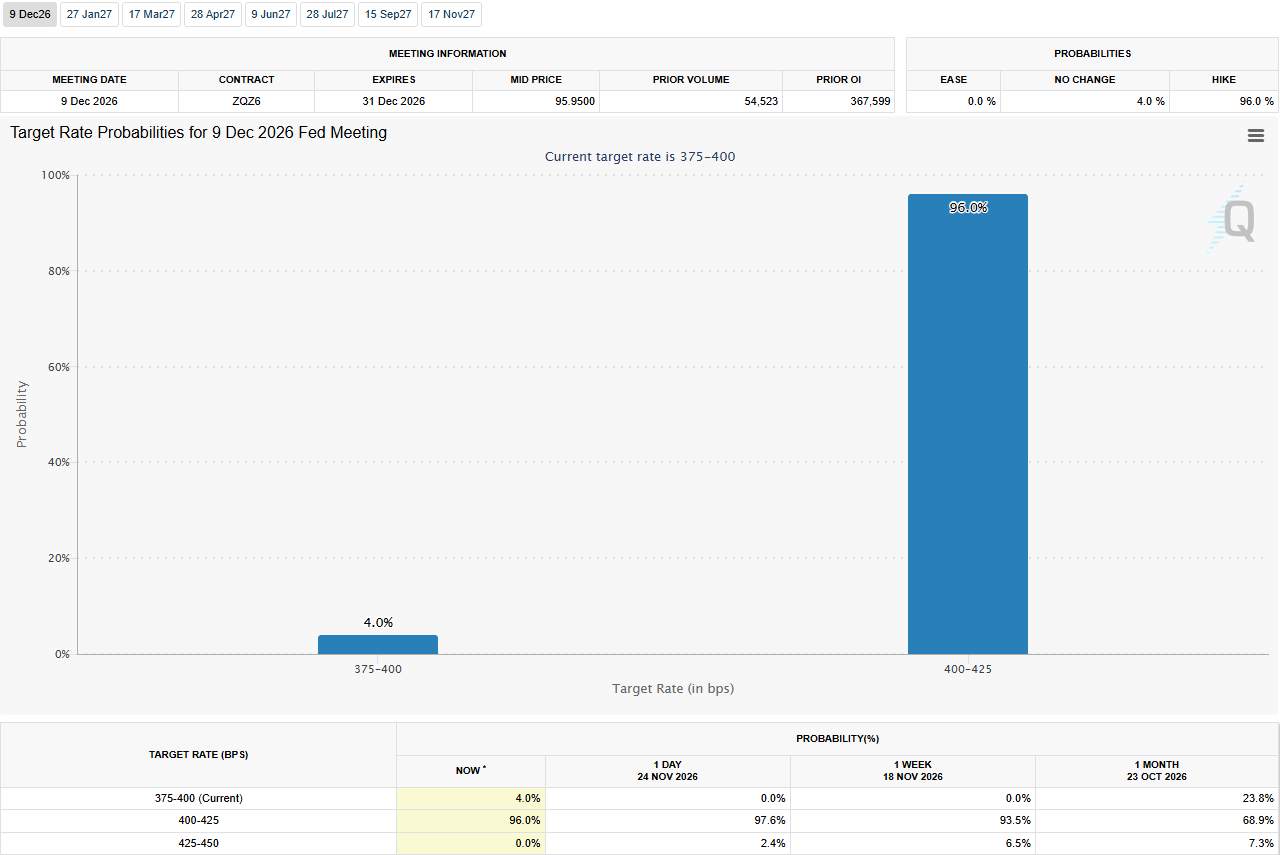
Source: CME FedWatch Tool
A week ago, there was a 6.5% probability of a 50-point rate hike. At the time of writing, this probability was 0%.
It wasn’t bullish news, but it was a catalyst that allowed the price to jump higher and wipe out the dense cluster of short positions that had built up in recent days. Monday’s rally just past $64k was another short squeeze.
As things stand, demand is too weak and pessimism too intense for Bitcoin to mount an immediate comeback.
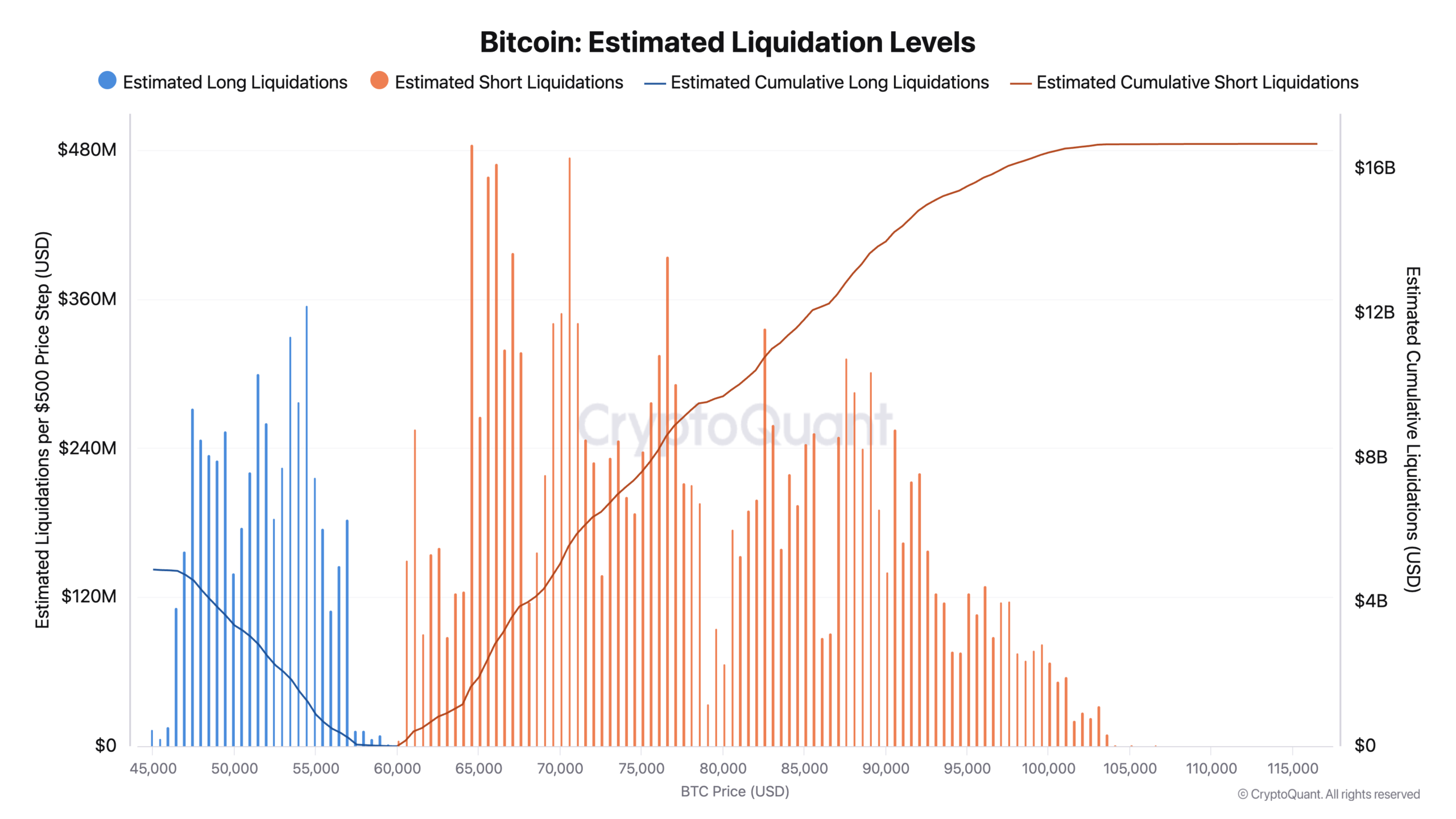
Source: Ki Young Ju on X
Founder and CEO of intelligence platform CryptoQuant, Ki Young Ju, noted that there was $16 billion in potential short liquidations from $60k to $100k, compared to just $5 billion in potential long liquidations.
In other words, a short squeeze was much more attractive in these conditions. Notably, a mini short squeeze occurred on Monday, as well as the recent price bounce back above $61k.
Bitcoin selling might not have finished
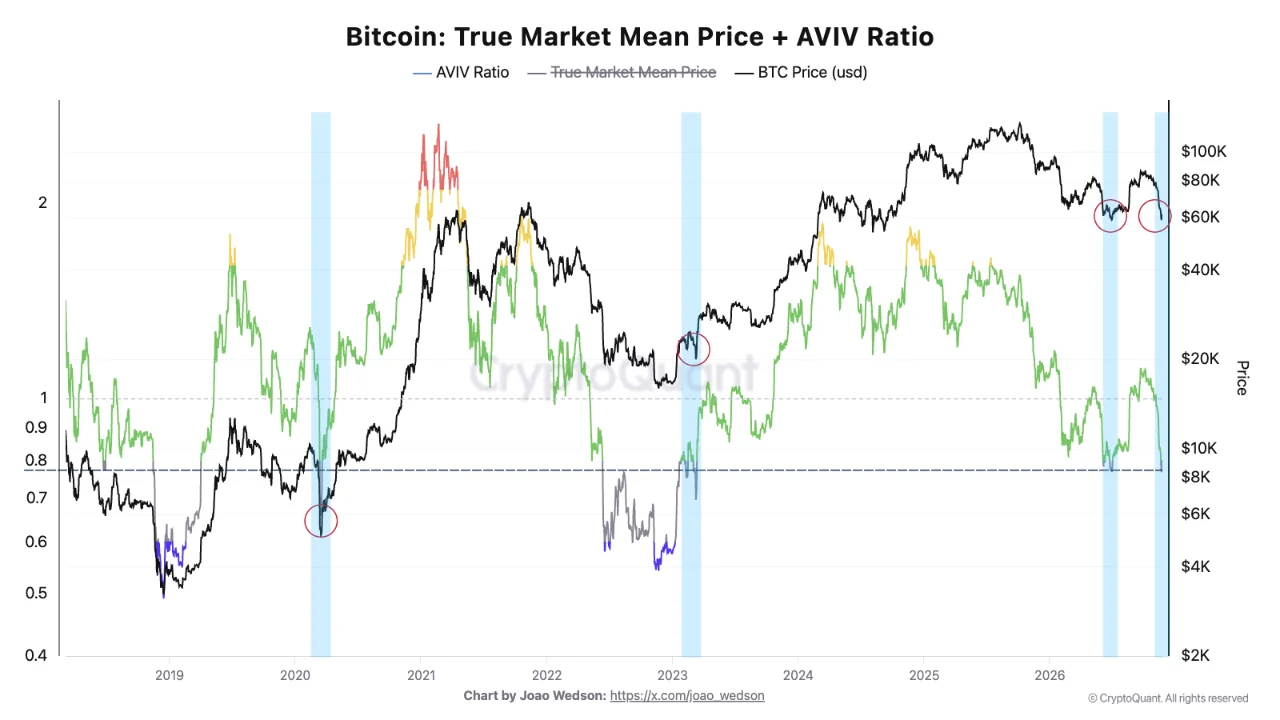
Source: CryptoQuant
The Bitcoin active value to investor value ratio was back near 0.8 after climbing above 1.0 earlier this year, reported a crypto analyst. Moreno. It measures how far the spot price deviates from the True Market Mean, which is the aggregate on-chain cost basis for active investors.
Readings below 1 indicate active investors are carrying losses. Aggregate profitability has deteriorated since the BTC price rebound earlier this year.
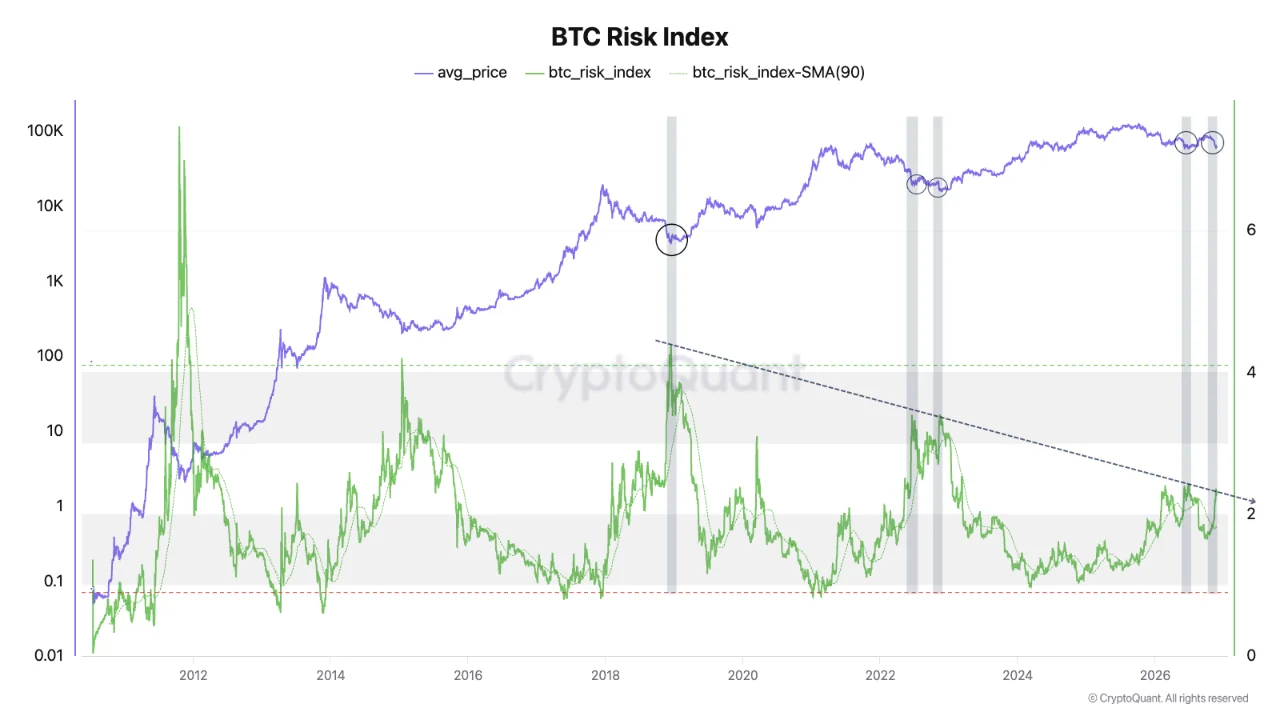
Source: CryptoQuant
The Bitcoin risk index was above 2 and neared its peak value from earlier this year. The metric shows higher readings during sell-offs, when capital turnover intensifies relative to market value.
The two metrics showed increasing stress on the market and offered a more attractive valuation to long-term buyers.
To make a compelling case for a bullish recovery, the selling pressure needs to be absorbed. The evidence at hand does not support sizeable demand- for example, Bitcoin spot ETF flows have been overwhelmingly bearish in November.
Final Summary
• The Bitcoin price bounce in the past 12 hours was likely a result of a short squeeze.
• Metrics show sustained pressure on BTC and no sign of sustained demand yet to support the idea of a trend reversal.