BTCS Warned $54M Aave Loan Could Be Liquidated as Ethereum Slides
번역을 준비 중입니다. 영어 원문을 표시합니다.영어 원문 보기
글자 크기본문 읽기 ↓
이미지 불러오는 중
Nasdaq-listed ether treasury company BTCS warned regulators that its approximately $54 million loan on the decentralized lending protocol Aave could face liquidation if Ethereum’s price continues to decline. Although the company has reduced its outstanding borrowing by roughly $10 million in ten days, falling ETH prices have largely offset the improvement in its collateral position. […]

Nasdaq-listed ether treasury company BTCS warned regulators that its approximately $54 million loan on the decentralized lending protocol Aave could face liquidation if Ethereum’s price continues to decline. Although the company has reduced its outstanding borrowing by roughly $10 million in ten days, falling ETH prices have largely offset the improvement in its collateral position.
In a filing submitted to the US Securities and Exchange Commission (SEC) on November 19, BTCS disclosed that its Aave debt stood at approximately $54 million. The company also cautioned that it could not guarantee the future value of its collateral or rule out a liquidation.
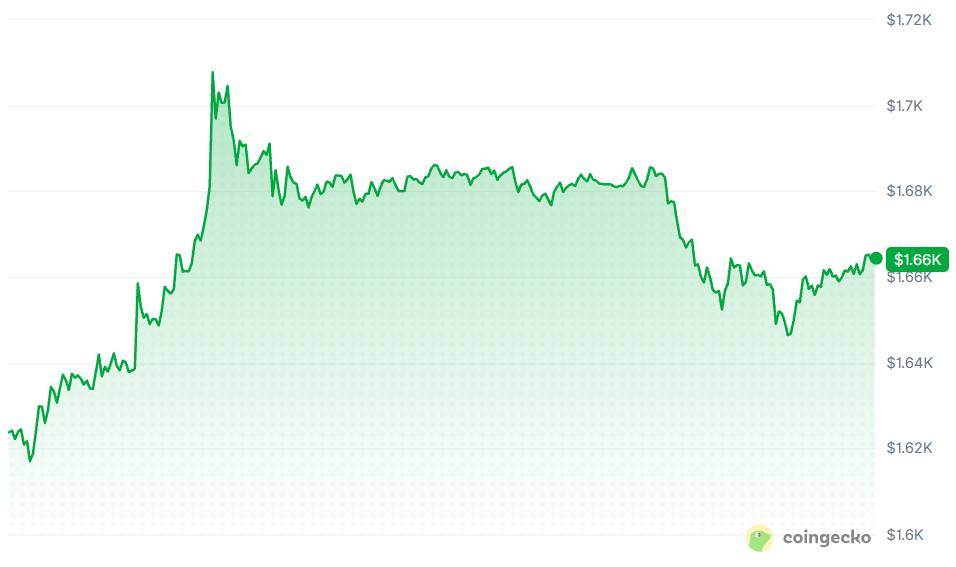
The warning comes during a difficult period for the cryptocurrency market. Ether was trading near $1,730 on Saturday, while BTCS shares fell 12.2% on Friday to close at $0.653. The stock declined 28.1% over the week. The situation highlights the risks public companies face when they use cryptocurrency holdings as collateral to finance decentralized finance operations.
Falling ETH Prices Offset BTCS’s Debt Reduction
BTCS had reported approximately $64.1 million in Aave borrowing as of November 9. By November 19, the outstanding amount had fallen to around $54 million, representing a reduction of roughly $10 million. However, the value of the company’s ether collateral also declined during that period. Its earlier quarterly filing showed that BTCS had pledged 46,676 ETH, valued at approximately $99.3 million when ETH traded at $2,127.
By November 19, the company valued its cryptocurrency holdings at approximately $111 million using an ETH price of $1,775. It also disclosed around $18 million in senior secured convertible notes, a separate debt obligation that can be converted into company shares.
Based on the previously reported collateral balance, BTCS’s Aave position had a health factor of approximately 1.23. That is only a modest improvement from the estimated 1.24 recorded on November 9, despite the reduction in borrowing. The calculation assumes that the company continued to hold the same 46,676 ETH as collateral. If BTCS withdrew some of those assets to fund debt repayments, the position could be weaker. Additional collateral would have the opposite effect.
How Aave Liquidation Could Affect the Company’s ETH Holdings
Aave operates through smart contracts that automatically manage collateralized borrowing positions. Unlike traditional lending arrangements, the protocol does not rely on a bank or loan officer to contact borrowers when collateral becomes insufficient.
Instead, each position receives a health factor that measures the relationship between the value of its collateral and outstanding debt. When that figure falls below 1, the position becomes eligible for liquidation.
Other market participants can then repay part of the borrower’s debt and receive a portion of the pledged collateral, including a liquidation bonus. This means BTCS could lose some of its ETH holdings without having an opportunity to negotiate repayment terms or wait for a conventional margin call.
This is not a confirmed liquidation price. It depends on the assumption that BTCS’s collateral balance has remained unchanged, and the actual threshold could shift if the company adds or withdraws ETH or adjusts its borrowing.
Limited Cash Reserves Add to BTCS’s Financial Pressure
The Aave exposure is particularly relevant given BTCS’s reported liquidity position. At the end of September, the company held approximately $463,000 in cash, alongside around $860,000 in stablecoins and $41 million in liquidity pool positions. Its Aave borrowing primarily supports liquidity pool operations through Imperium, the company’s decentralized finance business.
The latest filing does not explain how BTCS funded the reduction in its outstanding Aave debt from approximately $64 million to $54 million.
The company had previously disclosed selling ETH below its original purchase price to manage collateral levels and maintain a healthier borrowing position. Those sales illustrate the difficult choices facing treasury companies that rely on leveraged crypto strategies: they can sell assets, repay debt or add collateral, but each option carries financial consequences.
🚨 BREAKING: 🇺🇸 Nasdaq listed Ethereum treasury firm BTCS has informed the SEC that its Aave debt could face liquidation if $ETH drops below $1,450. They’ve already sold $49,370,000 worth of ETH in just one day to avoid liquidation. Will they survive? https://t.co/6tQDLkZn6r — TMA | The Money Ape (@TheMoneyApe) November 21, 2026
BTCS’s warning also demonstrates that a reduction in borrowing does not automatically eliminate liquidation risk. If the underlying collateral loses value at a similar pace, the company’s financial position may remain vulnerable.
For investors, the key variables to monitor are ETH’s market price, BTCS’s remaining collateral and its outstanding Aave debt. Unless those figures improve relative to one another, the company could continue facing pressure from its leveraged DeFi exposure.
Do you think BTCS can manage its Aave debt without selling more ETH at a loss? Could further declines in Ethereum expose other publicly listed crypto treasury companies to similar liquidation risks?